
Rubber Plug vs Cap vs Grommet: How to Specify the Right Custom Part
Many custom rubber inquiries use the wrong product word. This guide helps buyers choose between rubber plugs, protective caps and rubber grommets, then send the dimensions MCHEN needs for a faster quote.
Quick Answer
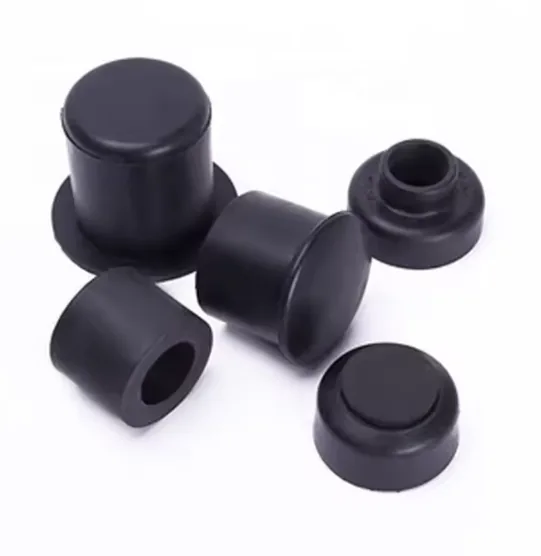
Use a rubber plug when the part closes an opening from the inside, a rubber cap when it covers an outside diameter or connector, and a rubber grommet when a wire, cable, tube or panel hole needs edge protection, sealing support or vibration buffering. If the part is custom, send drawings or samples plus dimensions, material, hardness, quantity and working conditions.
Plug, Cap or Grommet?
This comparison is written for buyers who need a quote quickly and for search engines that need clear definitions.
| Part | Main job | Dimensions to send | Typical search phrase | MCHEN page |
|---|---|---|---|---|
| Rubber plug | Closes an opening from the inside | Hole ID, taper, top/bottom diameter, height | custom rubber pipe plug | Rubber plugs and caps |
| Rubber cap | Covers an outside end, connector or thread | OD to cover, cap ID, wall thickness, depth, lip | rubber protective cap manufacturer | Rubber plugs and caps |
| Rubber grommet | Protects a cable, tube or panel hole | Panel hole, panel thickness, cable/tube OD, groove | custom rubber grommets for wiring | Rubber grommets |
Why These Parts Get Searched So Often
The search demand is practical. Buyers are usually trying to prevent wear, contamination, leakage, vibration or assembly damage.
A hole or pipe end needs to be closed
Use plug language when the rubber part needs to fit inside a hole, tube, port or temporary process opening.
A connector or thread needs protection
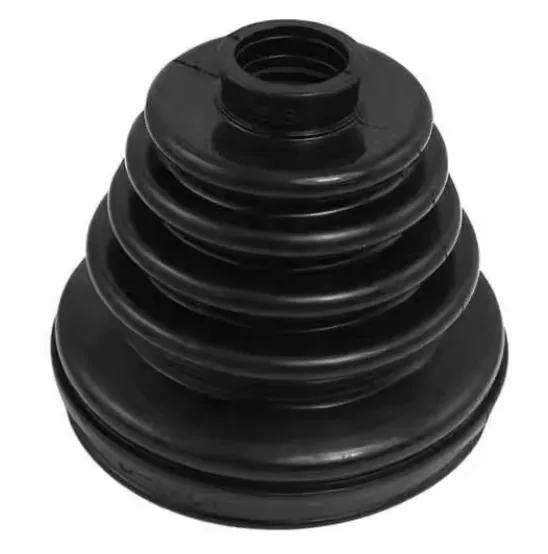
Use cap language when the rubber part covers an external diameter, connector, thread or finished surface.
A cable or tube passes through a panel
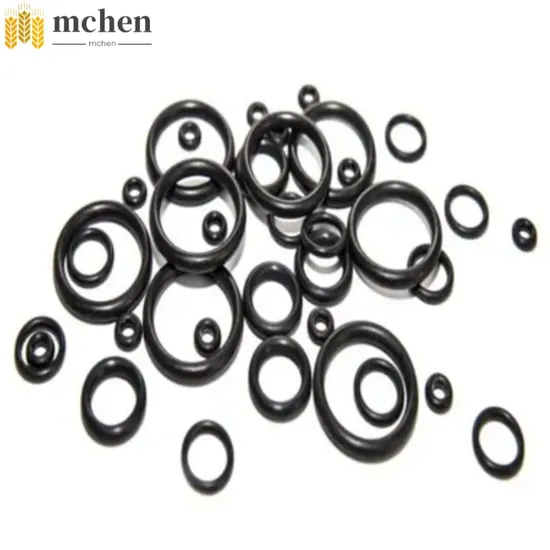
Use grommet language when edge protection, strain relief, dust reduction or vibration buffering is the key function.
Lowest Practical Cost Comes From the Right Compound
A cheap rubber part can become expensive if it cracks, swells, leaks or does not fit. MCHEN's stronger offer is factory-direct pricing plus material selection by actual working condition.
Recommended RFQ wording
Do not only write "black rubber part". Tell the supplier what the part touches, whether it sees oil, water, UV, heat, dust, pressure or movement, and whether the order is a one-time repair or repeat OEM production.
What to Send Before Asking for Price
This checklist improves response speed and quote accuracy for custom plugs, caps and grommets.
1. Part function
Tell us if the part seals, protects, masks, routes cables, reduces vibration or closes an unused hole.
2. Critical dimensions
Send OD, ID, hole size, groove width, panel thickness, taper, cap depth and wall thickness as needed.
3. Material and hardness
Send target compound and Shore A hardness, or describe the working environment if you need a recommendation.
4. Sample photos
Front, side, section and installed-condition photos help when the original drawing is missing.
5. Quantity target
Tooling and unit price depend on sample quantity, first batch, annual demand and reorder frequency.
6. Packing need
Confirm bulk packing, individual bagging, labels, export carton marks or deformation protection.
Rubber Plug, Cap and Grommet FAQ
Can MCHEN make these parts without an existing drawing?
Yes. MCHEN can start from samples, clear photos and dimensions, then confirm a controlled drawing before tooling and batch production.
Which product term should I use in an inquiry?
Use plug for inside sealing, cap for outside covering and grommet for panel hole or cable protection. If unsure, describe the function and send photos.
How can I reduce the cost of a custom rubber part?
Keep geometry moldable, avoid unnecessary high-cost materials, confirm the real working environment and provide realistic quantity forecasts.
Need Help Specifying a Custom Rubber Part?
Send the function, drawing or sample, dimensions, material, hardness, quantity and working condition. MCHEN will review the practical rubber route before quoting.