
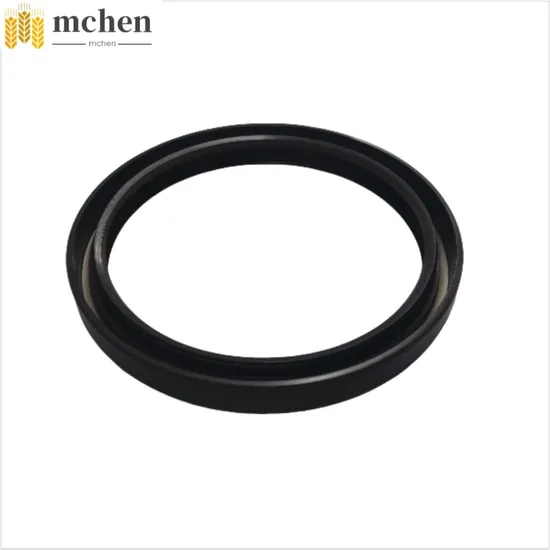
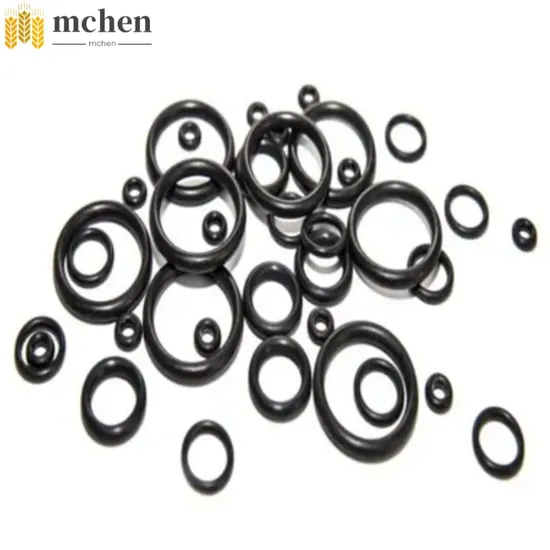
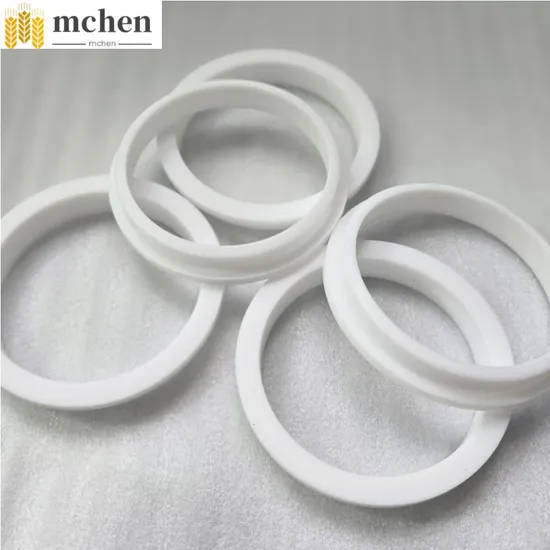
A custom rubber gasket quote is faster and more accurate when the buyer sends application data, not only a photo. The supplier needs to know what the gasket seals, how it is compressed, what fluid touches it, and what quantity will be produced after sample approval.
This checklist is written for purchasing teams, maintenance buyers and OEM engineers who need a practical way to request pricing for molded rubber gaskets, O-rings, rubber pads, plugs, isolators and custom seals.
Fast RFQ answer: send drawing or sample photos, material, Shore A hardness, dimensions, service medium, temperature, pressure, quantity and inspection needs. If the material is unknown, describe the application and failure mode first.
Custom rubber gasket RFQ checklist
| RFQ Item | Why It Matters | What to Send |
|---|---|---|
| Drawing or sample | Controls tooling, tolerance and quote accuracy. | 2D drawing, CAD file, sample photos or marked dimensions. |
| Material | Material drives price, chemical resistance and service life. | NBR, EPDM, silicone, FKM, PTFE, PU or unknown application data. |
| Hardness | Hardness affects compression, sealing and wear. | Shore A value, tolerance and sample hardness if available. |
| Service medium | Oil, fuel, water, steam and chemicals require different compounds. | Fluid name, concentration, exposure time and cleaning chemicals. |
| Temperature and pressure | Heat and compression set are common causes of failure. | Continuous temperature, peak temperature, pressure and movement. |
| Quantity | Tooling and unit price depend on annual demand. | Prototype quantity, first order quantity and estimated yearly demand. |
How to describe the application
Many gasket RFQs fail because the phrase "rubber gasket" is too broad. A gasket for a pump cover, outdoor enclosure, valve seat, truck exhaust support or vibration pad will not be quoted the same way.
- State the equipment type and installation position.
- Explain whether the gasket is static, dynamic, compressed, sliding or used for vibration damping.
- Send photos of the mating surfaces and assembled joint if the drawing is incomplete.
- If a part failed, send failure photos before cleaning the area.
Material direction before quotation
For many oil-contact parts, NBR is a cost-effective starting point. EPDM is often reviewed for water, steam and outdoor weathering. Silicone supports a broad temperature range, while FKM is considered for higher heat and stronger chemical exposure. PTFE is not rubber, but it can be relevant for chemical sealing where elastomers are not suitable.
Use the rubber gasket material selection guide when the compound is not fixed yet.
How price is usually controlled
Factory-direct pricing does not mean removing inspection or using the cheapest compound. The best cost control comes from choosing a suitable material, avoiding unnecessary over-specification, confirming annual quantity, and designing tooling around repeat production.
- Use standard hardness and color unless the application requires otherwise.
- Combine sample approval with clear dimension checkpoints.
- Confirm packaging and labeling before mass production.
- Separate prototype pricing from repeat-order pricing.
Common RFQ mistakes
| Mistake | Better RFQ Approach |
|---|---|
| Only sending a blurry sample photo | Add dimensions, thickness and application photos. |
| Asking for best rubber | Send the fluid, temperature, pressure and expected service life. |
| Ignoring hardness | Specify Shore A hardness or send a sample for checking. |
| Mixing prototype and mass order expectations | Ask separately for sample cost, tooling cost and batch unit price. |
FAQ
Can MCHEN quote from a worn gasket sample?
Yes. Send sample photos, key dimensions and application photos. If the sample is deformed, include mating surface photos so the original sealing geometry can be reviewed.
What if the material is unknown?
Describe the medium, temperature, pressure, movement and failure mode. MCHEN can suggest a material direction for review.
Is tooling always required?
Custom molded rubber parts usually require tooling. Simple flat gaskets may use different processing depending on shape, material and quantity.