
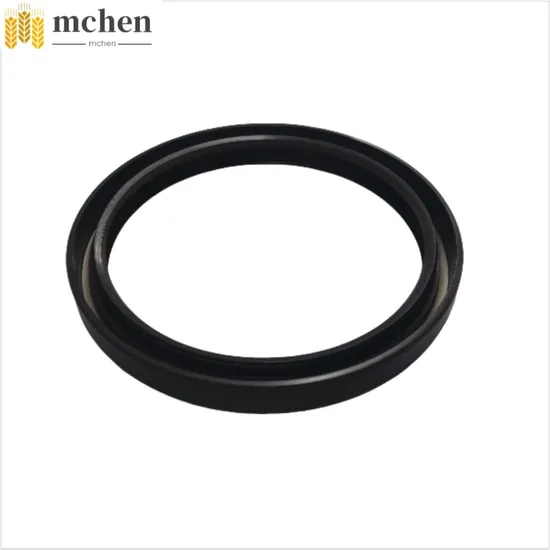
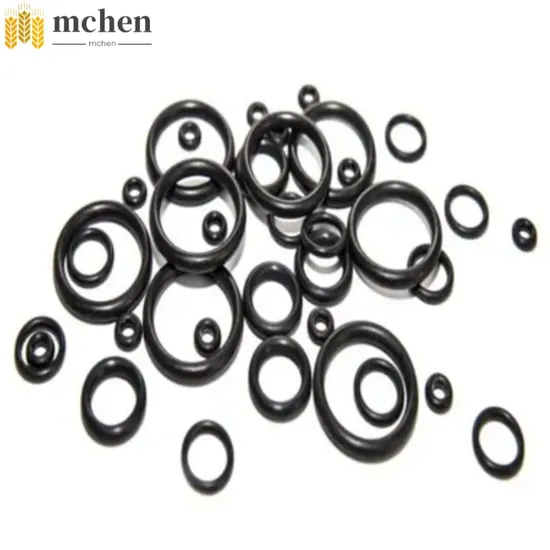
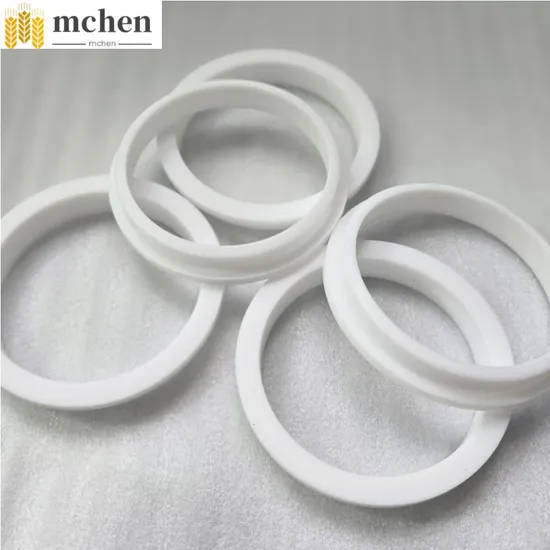
Rubber gasket material selection starts with service conditions, not sample color. Two black gaskets can look identical but react very differently to oil, steam, sunlight, cleaning chemicals, heat cycles and repeated compression.
For buyers, the fastest route to a reliable and cost-effective gasket is to define the medium, continuous temperature, pressure, flange condition, hardness and expected service life before comparing prices.
Direct answer: review NBR for many oil and fuel applications, EPDM for water, steam and outdoor weathering, silicone for a wide temperature range, and FKM for demanding heat and chemical exposure. Confirm the exact compound against the real fluid and temperature.
Rubber gasket material comparison chart
| Material | Typical Strengths | Common Limits | Frequent Applications |
|---|---|---|---|
| NBR / Buna-N | Oil, fuel and abrasion resistance; economical for repeat OEM orders. | Less suitable for ozone, sunlight and prolonged outdoor exposure. | Fuel systems, hydraulic equipment, pumps and machinery. |
| EPDM | Water, steam, ozone, UV and weather resistance. | Generally not selected for petroleum oil and fuel contact. | Water systems, HVAC, outdoor equipment and pipe flanges. |
| Silicone / VMQ | Wide temperature range, flexibility and available food-contact grades. | Lower tear and abrasion resistance than some industrial elastomers. | Food equipment, electrical enclosures and temperature-sensitive sealing. |
| FKM / Fluoroelastomer | Heat, oil, fuel and broad chemical resistance. | Higher material cost and formulation-specific low-temperature limits. | Chemical processing, engines and demanding industrial service. |
| Neoprene / CR | Balanced weather and moderate oil resistance. | Not the first choice for extreme heat or aggressive chemicals. | Marine equipment, refrigeration and outdoor machinery. |
| SBR | Good abrasion performance and competitive cost. | Poor resistance to oil, fuel, ozone and high heat. | General-purpose pads and low-pressure non-oil service. |
| Natural Rubber / NR | High elasticity, tear strength and vibration absorption. | Limited oil, ozone and heat resistance. | Shock pads, vibration isolation and cushioning. |
| Polyurethane / PU | Strong wear, load and abrasion resistance. | Hydrolysis and temperature limits depend on formulation. | Wear pads, buffers, scrapers and industrial components. |
Selection note: temperature ranges vary by formulation, hardness and test method. Use generic charts only for screening, then validate the compound with application data.
Use the STAMP method before choosing a compound
- Size: ID, OD, thickness, bolt pattern, tolerance and compressed gap.
- Temperature: continuous temperature, peak temperature and thermal cycling.
- Application: static flange, vibration pad, outdoor enclosure or food equipment.
- Media: oil, fuel, water, steam, acid, alkali, solvent or air.
- Pressure: system pressure, clamp load, extrusion gap and vacuum conditions.
Choose material by buyer requirement
| Requirement | Material Direction | Confirm Before Ordering |
|---|---|---|
| Oil-resistant gasket | NBR or FKM | Oil type, additives, temperature and immersion time. |
| Steam or hot-water seal | EPDM or application-specific compound | Steam pressure, temperature and cleaning chemicals. |
| Outdoor marine gasket | EPDM or neoprene | Salt spray, UV, fuel contact and compression set. |
| High-temperature flexible seal | Silicone or FKM | Continuous heat, peak heat, tear load and fluid exposure. |
| Wear or impact pad | PU or natural rubber | Load, abrasion, rebound and hardness. |
Hardness, thickness and compression also control sealing
Softer rubber can conform to uneven surfaces, while harder rubber can resist extrusion and mechanical damage. Excessive compression may permanently set or split a gasket; too little compression leaves a leak path.
Specify Shore A hardness, thickness tolerance, surface finish and installed gap. If an existing gasket failed, send photos before cleaning the joint.
How to control cost without reducing reliability
The lowest unit price is not always the lowest operating cost. MCHEN focuses on factory-direct value: match the compound to the service conditions, then optimize tooling, material utilization, inspection and batch quantity for repeat orders.
- Use a standard compound when it meets the application instead of over-specifying.
- Confirm annual quantity and packaging to reduce handling cost.
- Provide a drawing or accurate sample to prevent tooling revisions.
- Agree on critical dimensions and inspection points before production.
RFQ checklist for custom rubber gaskets
- Drawing, sample photo or CAD file.
- Material and hardness, if already specified.
- Fluid or chemical contact.
- Continuous and peak temperature.
- Pressure, compression and movement.
- Required standard, color, finish or certification.
- Sample quantity, annual demand and delivery target.
FAQ
Which rubber gasket material is best for oil?
NBR is a common cost-effective choice; FKM may suit higher heat or stronger chemical exposure.
Is EPDM suitable for petroleum products?
EPDM is generally selected for water, steam, weather and ozone rather than petroleum oils and fuels.
What information is needed for a custom quote?
Send dimensions, material, hardness, fluid, temperature, pressure, quantity and compliance requirements.
Does the most expensive rubber always last longer?
No. Correct compatibility and compression matter more than material price alone.