
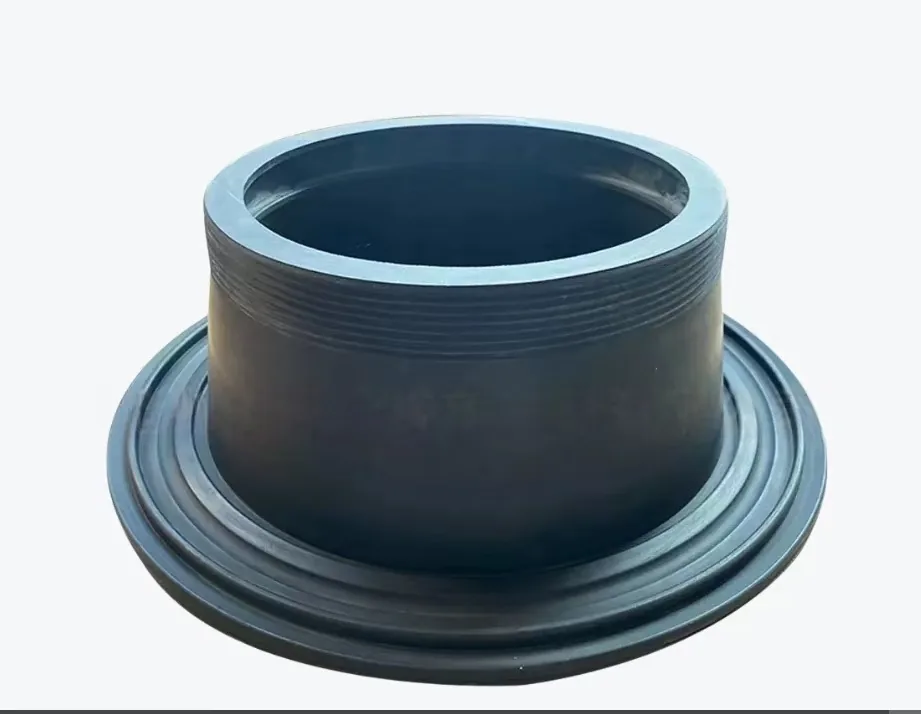
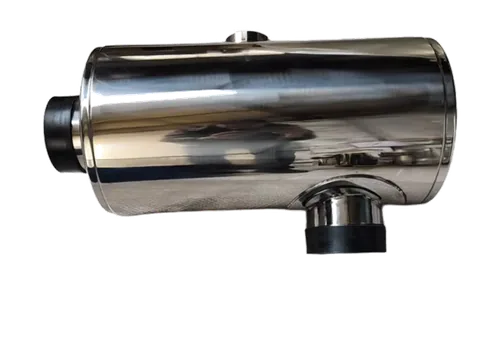
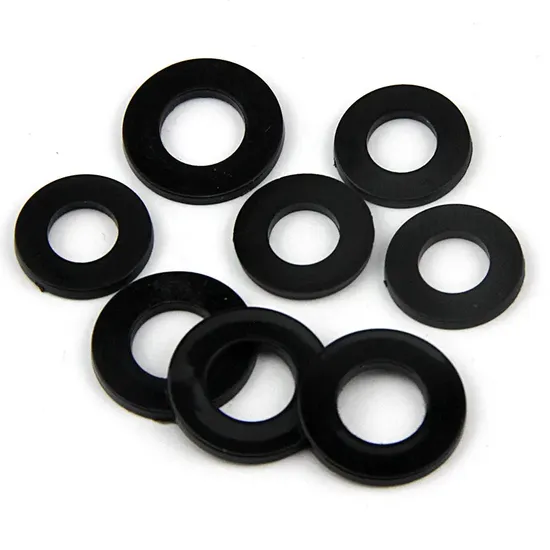
DPF and DOC exhaust joints are high-risk sealing points because they sit in aftertreatment systems where heat, vibration, clamp load and emissions performance all matter. A small leak can create soot marks, noise, failed inspection, sensor issues or repeat maintenance.
This page is written for buyers sourcing truck exhaust gaskets around diesel oxidation catalysts, diesel particulate filters, clamps, flanges and muffler connections.
RFQ priority: send the joint position, pipe diameter, clamp or flange type, gasket profile, temperature range, sample photos and annual quantity. DPF/DOC gaskets should be quoted as part of the joint geometry, not as a generic ring.
Where DPF and DOC gasket problems appear
| Position | Common Issue | RFQ Detail |
|---|---|---|
| DOC inlet or outlet | Heat-cycle leakage, soot marks and clamp seating problems. | Pipe OD, clamp style, gasket width and temperature range. |
| DPF inlet or outlet | Vibration, misalignment and flange distortion. | Joint photos, flange flatness and sample gasket profile. |
| V-band joint | Wrong flange angle or clamp profile. | V profile, clamp photo and mating flange dimensions. |
| Flanged joint | Uneven bolt load or old gasket material left behind. | Bolt pattern, surface condition and compression thickness. |
What makes aftertreatment gaskets different
Aftertreatment joints often operate closer to sensors, catalysts and filters than ordinary tailpipe joints. The gasket must handle temperature cycling and vibration while staying compatible with clamp or flange geometry. A gasket that works in a lower-temperature muffler joint may not be suitable near DPF or DOC sections.
Material direction for RFQ
High-temperature exhaust gas joints usually need heat-resistant gasket structures such as graphite composite, metal-reinforced sealing material or custom high-temperature layers. Rubber is usually reserved for lower-temperature damping, support or isolation areas unless the application data proves it is suitable.
For material background, use the truck exhaust gasket materials guide.
Buyer checklist before sending samples
- Mark the installation position: DOC inlet, DOC outlet, DPF inlet, DPF outlet, flex pipe, muffler or tailpipe.
- Measure pipe OD, gasket ID, gasket OD, width and thickness.
- Photograph the clamp, flange and failed gasket before cleaning.
- Record continuous and peak temperature if available.
- State whether the order is maintenance replacement, distributor stocking or OEM production.
Cost and quality balance
For repeat orders, the goal is not the cheapest gasket on the first quote. The goal is a gasket that fits the joint, survives heat cycles, and can be produced repeatedly at a stable cost. Accurate RFQ data reduces trial samples and tooling revisions.
FAQ
Can MCHEN quote DPF and DOC gaskets from a sample?
Yes. Send the sample, joint photos, pipe dimensions and quantity. If the sample is damaged, photos of the original installation help identify the intended profile.
Are DPF gaskets the same as general exhaust gaskets?
Not always. DPF and DOC locations may see higher temperature, sensor sensitivity and stricter sealing requirements.
What causes soot around an aftertreatment clamp?
Common causes include wrong gasket width, damaged flange, clamp mismatch, pipe misalignment or insufficient seating after heat cycles.